Buy bueroeinrichtungen.eu ?
We are moving the project
bueroeinrichtungen.eu .
Are you interested in purchasing the domain
bueroeinrichtungen.eu ?
domain@kv-gmbh.de · 0541-91531010
Buy bueroeinrichtungen.eu ?
What is RNA self-replication?
RNA self-replication is a process where RNA molecules are able to catalyze their own replication without the need for external enzymes. This ability is crucial for the early evolution of life on Earth, as it is believed to be a key step in the transition from prebiotic chemistry to the emergence of life. RNA self-replication involves the RNA molecule acting as both a template and an enzyme, allowing it to make copies of itself. This process is a fundamental aspect of the RNA world hypothesis, which suggests that RNA played a central role in the origin of life. **
What is the replication origin in DNA replication?
The replication origin is a specific sequence of DNA where the process of DNA replication begins. It is the site where the two strands of the DNA double helix are separated and the replication machinery is assembled. The replication origin is recognized by specific proteins that initiate the unwinding of the DNA and the synthesis of new DNA strands. Each DNA molecule has multiple replication origins to ensure that the entire genome is replicated efficiently. **

Similar search terms for Self-replication
Top-Angebote
Products related to Self-replication:
-
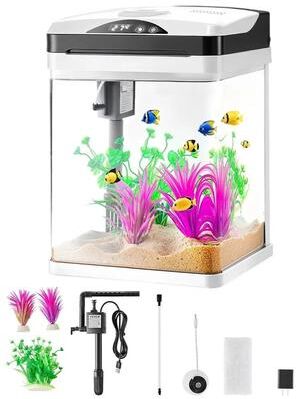
Tools, Home & Hobby Smart 2 Gallon Fish Tank Aquarium With LED Lighting Self Cleaning System Smart 2 Gallon Fish Tank Aquarium With LED Lighting Self Cleaning SystemBring a peaceful underwater world into your home with a modern aquarium designed for easy fish care and beautiful display. This fish tank aquarium combines smart temperature monitoring, automatic filtration, and customizable lighting to create a...97,97 $*Shipping: 0,00 $Secure redirect to the provider
-
Inspired Finds Transparent Self Adhesive Cat Furniture Protector Sheets For Sofas, Chairs & Walls 5pcsProtect your furniture from scratching without changing the look of your home. These cat furniture protectors feature a clear, durable PVC design that helps shield sofas, chairs, walls, and other surfaces from claw damage while remaining virtually...36,99 $*Shipping: 0,00 $Secure redirect to the provider
-
Fusion Finds Acrylic Mirror Stickers Self Adhesive Mirror Wall Decor Tiles Acrylic Mirror Stickers Self Adhesive Mirror Wall Decor TilesExperience an easy way to brighten and refresh your space without expensive renovations. These mirror wall stickers are made from durable acrylic and feature a selfadhesive backing, making installation quick and messfree. Perfect for bedrooms,...41,97 $*Shipping: 0,00 $Secure redirect to the provider



-
What is semiconservative replication?
Semiconservative replication is the process by which DNA is copied during cell division. In this process, the two strands of the DNA double helix separate, and each strand serves as a template for the synthesis of a new complementary strand. As a result, each new DNA molecule contains one original strand and one newly synthesized strand. This ensures that the genetic information is preserved and passed on to the next generation of cells. This process was first proposed by James Watson and Francis Crick in 1953. **
-
What is DNA replication?
DNA replication is the process by which a cell makes an identical copy of its DNA. This process is essential for cell division and the transmission of genetic information from one generation to the next. It involves the unwinding of the DNA double helix, the synthesis of new complementary strands using the existing strands as templates, and the proofreading and correction of any errors. DNA replication ensures that each new cell receives a complete and accurate set of genetic instructions. **
-
How does DNA replication occur?
DNA replication occurs in a semi-conservative manner, where the two strands of the double helix are separated and each strand serves as a template for the synthesis of a new complementary strand. The enzyme helicase unwinds the double helix, creating two single strands. DNA polymerase then adds new nucleotides to each single strand, following the base-pairing rules (A with T, and C with G). This results in two identical double-stranded DNA molecules, each containing one original strand and one newly synthesized strand. **
-
Where does DNA replication occur?
DNA replication occurs in the nucleus of eukaryotic cells and in the cytoplasm of prokaryotic cells. In eukaryotic cells, DNA replication takes place during the S phase of the cell cycle, when the DNA is duplicated to ensure that each daughter cell receives a complete set of genetic information. The process involves the unwinding of the DNA double helix, the synthesis of new DNA strands using existing strands as templates, and the proofreading and correction of errors. Overall, DNA replication is a fundamental process that ensures the accurate transmission of genetic information from one generation to the next. **


What is a replication bubble?
A replication bubble is a region of DNA where the double helix has been unwound and separated to allow for DNA replication to occur. It is formed by the action of helicase enzymes that unwind the DNA strands, creating two single-stranded templates for the replication process. The replication bubble expands as the replication machinery moves along the DNA, synthesizing new strands of DNA. Replication bubbles are a key feature of DNA replication and allow for the efficient and accurate copying of genetic information. **
How does semiconservative DNA replication occur?
Semiconservative DNA replication occurs in the following way: the double-stranded DNA molecule unwinds and separates into two strands. Each separated strand serves as a template for the synthesis of a new complementary strand. Enzymes called DNA polymerases add nucleotides to the new strands based on the complementary base pairing rules (A with T, C with G). As a result, two identical DNA molecules are produced, each consisting of one original strand and one newly synthesized strand. This process ensures that genetic information is faithfully passed on to daughter cells during cell division. **
Top-Angebote
Products related to Self-replication:
-
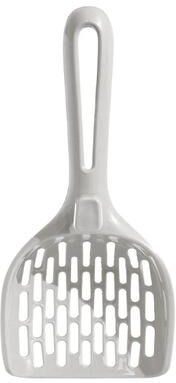
Inspired Finds Self Cleaning Cat Litter Scoop With Storage Base Self Cleaning Cat Litter Scoop With Storage BaseMake litter box cleaning faster, cleaner, and more hygienic with this practical cat litter scoop designed for everyday convenience. Featuring a durable slotted shovel and matching storage base, this selfcleaning litter scoop helps simplify waste...39,99 $*Shipping: 0,00 $Secure redirect to the provider
-
Uplift Picks Self Cleaning Cat Litter Scoop With Storage Base Self Cleaning Cat Litter Scoop With Storage BaseMake litter box cleaning faster and more convenient with this practical cat litter scoop designed for everyday pet care. Featuring a durable plastic shovel and matching storage base, this cleaning tool helps keep litter areas cleaner while reducing...51,00 $*Shipping: 0,00 $Secure redirect to the provider
-
Tools, Home & Hobby Smart 2 Gallon Fish Tank Aquarium With LED Lighting Self Cleaning System Smart 2 Gallon Fish Tank Aquarium With LED Lighting Self Cleaning SystemBring a peaceful underwater world into your home with a modern aquarium designed for easy fish care and beautiful display. This fish tank aquarium combines smart temperature monitoring, automatic filtration, and customizable lighting to create a...97,97 $*Shipping: 0,00 $Secure redirect to the provider
-
What is RNA self-replication?
RNA self-replication is a process where RNA molecules are able to catalyze their own replication without the need for external enzymes. This ability is crucial for the early evolution of life on Earth, as it is believed to be a key step in the transition from prebiotic chemistry to the emergence of life. RNA self-replication involves the RNA molecule acting as both a template and an enzyme, allowing it to make copies of itself. This process is a fundamental aspect of the RNA world hypothesis, which suggests that RNA played a central role in the origin of life. **
-
What is the replication origin in DNA replication?
The replication origin is a specific sequence of DNA where the process of DNA replication begins. It is the site where the two strands of the DNA double helix are separated and the replication machinery is assembled. The replication origin is recognized by specific proteins that initiate the unwinding of the DNA and the synthesis of new DNA strands. Each DNA molecule has multiple replication origins to ensure that the entire genome is replicated efficiently. **
-
What is semiconservative replication?
Semiconservative replication is the process by which DNA is copied during cell division. In this process, the two strands of the DNA double helix separate, and each strand serves as a template for the synthesis of a new complementary strand. As a result, each new DNA molecule contains one original strand and one newly synthesized strand. This ensures that the genetic information is preserved and passed on to the next generation of cells. This process was first proposed by James Watson and Francis Crick in 1953. **
-
What is DNA replication?
DNA replication is the process by which a cell makes an identical copy of its DNA. This process is essential for cell division and the transmission of genetic information from one generation to the next. It involves the unwinding of the DNA double helix, the synthesis of new complementary strands using the existing strands as templates, and the proofreading and correction of any errors. DNA replication ensures that each new cell receives a complete and accurate set of genetic instructions. **
Similar search terms for Self-replication
-
Inspired Finds Transparent Self Adhesive Cat Furniture Protector Sheets For Sofas, Chairs & Walls 5pcsProtect your furniture from scratching without changing the look of your home. These cat furniture protectors feature a clear, durable PVC design that helps shield sofas, chairs, walls, and other surfaces from claw damage while remaining virtually...36,99 $*Shipping: 0,00 $Secure redirect to the provider
-
Fusion Finds Acrylic Mirror Stickers Self Adhesive Mirror Wall Decor Tiles Acrylic Mirror Stickers Self Adhesive Mirror Wall Decor TilesExperience an easy way to brighten and refresh your space without expensive renovations. These mirror wall stickers are made from durable acrylic and feature a selfadhesive backing, making installation quick and messfree. Perfect for bedrooms,...41,97 $*Shipping: 0,00 $Secure redirect to the provider
-
Drop Dash Deals Self Adhesive Reflective Mirror Wall Sticker Kitchen & Home Decor Self Adhesive Reflective Mirror Wall Sticker Kitchen & Home DecorTransform your space effortlessly with this 1pc selfadhesive mirror wall sticker. This versatile decorative film provides a safe, shatterproof alternative to traditional mirrors, perfect for modern kitchens, bathrooms, and living areas. Its clear...49,97 $*Shipping: 0,00 $Secure redirect to the provider
-
Drop Dash Deals Self Adhesive Mirror Film For Home And Kitchen Decor Self Adhesive Mirror Film For Home And Kitchen DecorTransform any space with these 12 pcs selfadhesive mirror wall stickers that are perfect for decorating kitchens, living rooms, and bedrooms. Made from nonglass PET material, they are safe, shatterproof, and easy to cut into your desired shapes,...49,97 $*Shipping: 0,00 $Secure redirect to the provider
-
How does DNA replication occur?
DNA replication occurs in a semi-conservative manner, where the two strands of the double helix are separated and each strand serves as a template for the synthesis of a new complementary strand. The enzyme helicase unwinds the double helix, creating two single strands. DNA polymerase then adds new nucleotides to each single strand, following the base-pairing rules (A with T, and C with G). This results in two identical double-stranded DNA molecules, each containing one original strand and one newly synthesized strand. **
-
Where does DNA replication occur?
DNA replication occurs in the nucleus of eukaryotic cells and in the cytoplasm of prokaryotic cells. In eukaryotic cells, DNA replication takes place during the S phase of the cell cycle, when the DNA is duplicated to ensure that each daughter cell receives a complete set of genetic information. The process involves the unwinding of the DNA double helix, the synthesis of new DNA strands using existing strands as templates, and the proofreading and correction of errors. Overall, DNA replication is a fundamental process that ensures the accurate transmission of genetic information from one generation to the next. **
-
What is a replication bubble?
A replication bubble is a region of DNA where the double helix has been unwound and separated to allow for DNA replication to occur. It is formed by the action of helicase enzymes that unwind the DNA strands, creating two single-stranded templates for the replication process. The replication bubble expands as the replication machinery moves along the DNA, synthesizing new strands of DNA. Replication bubbles are a key feature of DNA replication and allow for the efficient and accurate copying of genetic information. **
-
How does semiconservative DNA replication occur?
Semiconservative DNA replication occurs in the following way: the double-stranded DNA molecule unwinds and separates into two strands. Each separated strand serves as a template for the synthesis of a new complementary strand. Enzymes called DNA polymerases add nucleotides to the new strands based on the complementary base pairing rules (A with T, C with G). As a result, two identical DNA molecules are produced, each consisting of one original strand and one newly synthesized strand. This process ensures that genetic information is faithfully passed on to daughter cells during cell division. **
* All prices are inclusive of VAT and, if applicable, plus shipping costs. The offer information is based on the details provided by the respective shop and is updated through automated processes. Real-time updates do not occur, so deviations can occur in individual cases. ** Note: Parts of this content were created by AI.