Buy bueroeinrichtungen.eu ?
We are moving the project
bueroeinrichtungen.eu .
Are you interested in purchasing the domain
bueroeinrichtungen.eu ?
domain@kv-gmbh.de · 0541-91531010
Buy bueroeinrichtungen.eu ?
What intermolecular forces exist?
Intermolecular forces are the forces of attraction and repulsion between molecules. The main types of intermolecular forces include London dispersion forces, dipole-dipole interactions, and hydrogen bonding. London dispersion forces are the weakest type of intermolecular force and occur between all molecules. Dipole-dipole interactions occur between polar molecules, where the positive end of one molecule is attracted to the negative end of another. Hydrogen bonding is a special type of dipole-dipole interaction that occurs when hydrogen is bonded to highly electronegative atoms like oxygen, nitrogen, or fluorine. **
What are intermolecular interactions?
Intermolecular interactions are the forces of attraction or repulsion between molecules. These interactions play a crucial role in determining the physical and chemical properties of substances. Examples of intermolecular interactions include hydrogen bonding, van der Waals forces, and dipole-dipole interactions. These forces can affect properties such as boiling and melting points, solubility, and viscosity. **

Similar search terms for Intermolecular
Top-Angebote
Products related to Intermolecular:
-
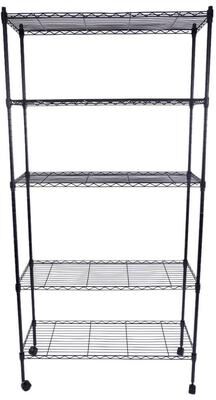
Garvee 5-Shelf Shelving, Storage Shelves Metal Bookshelves for StorageAdjustable Shelves: 5-tier adjustable shelving unit features multi-hole side poles for easy height customization on each shelf, combining stylish design with versatile home storage shelves and office organization racks Reinforced Support: The 5 Tier…104,99 $*Shipping: 0,00 $Secure redirect to the provider
-
Uplift Picks Clear Drawer Beauty Storage Box For Vanity Desks 4 StoreyCreate a calmer beauty space where every essential has its place. This makeup organizer features a transparent body and pullout drawer, making cosmetics easy to see, store, and access. Its compact shape provides practical organization without...89,49 $*Shipping: 0,00 $Secure redirect to the provider
-
Winado 62.9''W Adjustable Storage Shelves NSF Wire Shelving Unit Multiple rows Shelving for Storage Rack Shelves"Introductions: 【62.9''W Monster Size Wire Shelving Unit】The 62.9 ""W storage rack is triple the size of the market shelves, which is truly a blessing for storage enthusiasts to easily meet more storage needs."121,49 $*Shipping: 0,00 $Secure redirect to the provider



-
What are intermolecular forces?
Intermolecular forces are the attractive forces that exist between molecules. These forces are responsible for holding molecules together in a liquid or solid state. There are several types of intermolecular forces, including hydrogen bonding, dipole-dipole interactions, and London dispersion forces. These forces play a crucial role in determining the physical properties of substances, such as their boiling and melting points, as well as their solubility and viscosity. **
-
How are intermolecular forces classified?
Intermolecular forces are classified into three main categories: dispersion forces, dipole-dipole forces, and hydrogen bonding. Dispersion forces are the weakest type of intermolecular force and are caused by temporary fluctuations in electron distribution within molecules. Dipole-dipole forces occur between polar molecules and are stronger than dispersion forces. Hydrogen bonding is the strongest type of intermolecular force and occurs when hydrogen is bonded to highly electronegative atoms like oxygen, nitrogen, or fluorine. **
-
What are strong intermolecular interactions?
Strong intermolecular interactions are attractive forces between molecules that are stronger than typical van der Waals forces. These interactions can include hydrogen bonding, dipole-dipole interactions, and ion-dipole interactions. Strong intermolecular interactions play a crucial role in determining the physical properties of substances such as boiling point, melting point, and solubility. They are important in various biological processes, such as protein folding and DNA replication. **
-
Which intermolecular interactions are possible?
Intermolecular interactions that are possible include hydrogen bonding, dipole-dipole interactions, and London dispersion forces. Hydrogen bonding occurs when a hydrogen atom is bonded to a highly electronegative atom such as oxygen, nitrogen, or fluorine. Dipole-dipole interactions occur between molecules with permanent dipoles, while London dispersion forces are the weakest intermolecular interactions and occur between all molecules due to temporary fluctuations in electron distribution. These interactions play a crucial role in determining the physical properties of substances such as boiling and melting points. **


Which intermolecular forces are the strongest?
The strongest intermolecular forces are hydrogen bonding, which occurs when a hydrogen atom is bonded to a highly electronegative atom such as oxygen, nitrogen, or fluorine. Hydrogen bonding is stronger than dipole-dipole interactions and London dispersion forces. This is because hydrogen bonding involves a particularly strong attraction between the partially positive hydrogen atom and the partially negative atom it is bonded to, leading to a higher energy of interaction compared to other intermolecular forces. **
What are intermolecular interactions in chemistry?
Intermolecular interactions are the forces of attraction or repulsion between molecules. These interactions play a crucial role in determining the physical properties of substances, such as boiling point, melting point, and solubility. The main types of intermolecular interactions include hydrogen bonding, dipole-dipole interactions, and van der Waals forces. These interactions are weaker than chemical bonds within a molecule, but they still significantly impact the behavior and properties of substances. **
Top-Angebote
Products related to Intermolecular:
-
Winado 62.9''W Adjustable Storage Shelves NSF Wire Shelving Unit Multiple rows Shelving for Storage Rack Shelves"Introductions: 【62.9''W Monster Size Wire Shelving Unit】The 62.9 ""W storage rack is triple the size of the market shelves, which is truly a blessing for storage enthusiasts to easily meet more storage needs."109,41 $*Shipping: 0,00 $Secure redirect to the provider
-
karlinc 5 Tier Rolling Steel Shelving Unit Wire Shelves Garage Shelving Storage Racks【EASY TO ASSEMBLE】: The storage shelves is easy to assemble,This wire shelf structure is very simple ,No tools required to assemble it.The shelving unit is simple to assemble,You only need to spend fifteen minutes to install it.storage shelves wire...57,37 $*Shipping: 0,00 $Secure redirect to the provider
-
Garvee 5-Shelf Shelving, Storage Shelves Metal Bookshelves for StorageAdjustable Shelves: 5-tier adjustable shelving unit features multi-hole side poles for easy height customization on each shelf, combining stylish design with versatile home storage shelves and office organization racks Reinforced Support: The 5 Tier…104,99 $*Shipping: 0,00 $Secure redirect to the provider
-
What intermolecular forces exist?
Intermolecular forces are the forces of attraction and repulsion between molecules. The main types of intermolecular forces include London dispersion forces, dipole-dipole interactions, and hydrogen bonding. London dispersion forces are the weakest type of intermolecular force and occur between all molecules. Dipole-dipole interactions occur between polar molecules, where the positive end of one molecule is attracted to the negative end of another. Hydrogen bonding is a special type of dipole-dipole interaction that occurs when hydrogen is bonded to highly electronegative atoms like oxygen, nitrogen, or fluorine. **
-
What are intermolecular interactions?
Intermolecular interactions are the forces of attraction or repulsion between molecules. These interactions play a crucial role in determining the physical and chemical properties of substances. Examples of intermolecular interactions include hydrogen bonding, van der Waals forces, and dipole-dipole interactions. These forces can affect properties such as boiling and melting points, solubility, and viscosity. **
-
What are intermolecular forces?
Intermolecular forces are the attractive forces that exist between molecules. These forces are responsible for holding molecules together in a liquid or solid state. There are several types of intermolecular forces, including hydrogen bonding, dipole-dipole interactions, and London dispersion forces. These forces play a crucial role in determining the physical properties of substances, such as their boiling and melting points, as well as their solubility and viscosity. **
-
How are intermolecular forces classified?
Intermolecular forces are classified into three main categories: dispersion forces, dipole-dipole forces, and hydrogen bonding. Dispersion forces are the weakest type of intermolecular force and are caused by temporary fluctuations in electron distribution within molecules. Dipole-dipole forces occur between polar molecules and are stronger than dispersion forces. Hydrogen bonding is the strongest type of intermolecular force and occurs when hydrogen is bonded to highly electronegative atoms like oxygen, nitrogen, or fluorine. **
Similar search terms for Intermolecular
-
Uplift Picks Clear Drawer Beauty Storage Box For Vanity Desks 4 StoreyCreate a calmer beauty space where every essential has its place. This makeup organizer features a transparent body and pullout drawer, making cosmetics easy to see, store, and access. Its compact shape provides practical organization without...89,49 $*Shipping: 0,00 $Secure redirect to the provider
-
Winado 62.9''W Adjustable Storage Shelves NSF Wire Shelving Unit Multiple rows Shelving for Storage Rack Shelves"Introductions: 【62.9''W Monster Size Wire Shelving Unit】The 62.9 ""W storage rack is triple the size of the market shelves, which is truly a blessing for storage enthusiasts to easily meet more storage needs."121,49 $*Shipping: 0,00 $Secure redirect to the provider
-
Winado 62.9''W Adjustable Storage Shelves NSF Wire Shelving Unit Multiple rows Shelving for Storage Rack Shelves"Introductions: 【62.9''W Monster Size Wire Shelving Unit】The 62.9 ""W storage rack is triple the size of the market shelves, which is truly a blessing for storage enthusiasts to easily meet more storage needs."99,90 $*Shipping: 0,00 $Secure redirect to the provider
-
Winado 62.9''W Adjustable Storage Shelves NSF Wire Shelving Unit Multiple rows Shelving for Storage Rack Shelves"Introductions: 【62.9''W Monster Size Wire Shelving Unit】The 62.9 ""W storage rack is triple the size of the market shelves, which is truly a blessing for storage enthusiasts to easily meet more storage needs."104,49 $*Shipping: 0,00 $Secure redirect to the provider
-
What are strong intermolecular interactions?
Strong intermolecular interactions are attractive forces between molecules that are stronger than typical van der Waals forces. These interactions can include hydrogen bonding, dipole-dipole interactions, and ion-dipole interactions. Strong intermolecular interactions play a crucial role in determining the physical properties of substances such as boiling point, melting point, and solubility. They are important in various biological processes, such as protein folding and DNA replication. **
-
Which intermolecular interactions are possible?
Intermolecular interactions that are possible include hydrogen bonding, dipole-dipole interactions, and London dispersion forces. Hydrogen bonding occurs when a hydrogen atom is bonded to a highly electronegative atom such as oxygen, nitrogen, or fluorine. Dipole-dipole interactions occur between molecules with permanent dipoles, while London dispersion forces are the weakest intermolecular interactions and occur between all molecules due to temporary fluctuations in electron distribution. These interactions play a crucial role in determining the physical properties of substances such as boiling and melting points. **
-
Which intermolecular forces are the strongest?
The strongest intermolecular forces are hydrogen bonding, which occurs when a hydrogen atom is bonded to a highly electronegative atom such as oxygen, nitrogen, or fluorine. Hydrogen bonding is stronger than dipole-dipole interactions and London dispersion forces. This is because hydrogen bonding involves a particularly strong attraction between the partially positive hydrogen atom and the partially negative atom it is bonded to, leading to a higher energy of interaction compared to other intermolecular forces. **
-
What are intermolecular interactions in chemistry?
Intermolecular interactions are the forces of attraction or repulsion between molecules. These interactions play a crucial role in determining the physical properties of substances, such as boiling point, melting point, and solubility. The main types of intermolecular interactions include hydrogen bonding, dipole-dipole interactions, and van der Waals forces. These interactions are weaker than chemical bonds within a molecule, but they still significantly impact the behavior and properties of substances. **
* All prices are inclusive of VAT and, if applicable, plus shipping costs. The offer information is based on the details provided by the respective shop and is updated through automated processes. Real-time updates do not occur, so deviations can occur in individual cases. ** Note: Parts of this content were created by AI.