Buy bueroeinrichtungen.eu ?
We are moving the project
bueroeinrichtungen.eu .
Are you interested in purchasing the domain
bueroeinrichtungen.eu ?
domain@kv-gmbh.de · 0541-91531010
Buy bueroeinrichtungen.eu ?
Why is nitrogen so unreactive?
Nitrogen is unreactive because it has a very stable triple bond between its two nitrogen atoms in the N2 molecule. This triple bond requires a large amount of energy to break, making nitrogen less likely to participate in chemical reactions. Additionally, the outer electron shell of nitrogen is already filled with 8 electrons, making it less likely to gain or lose electrons to form chemical bonds with other elements. These factors contribute to nitrogen's overall inertness and unreactivity. **
Why are noble gases so unreactive?
Noble gases are unreactive because they have a full outer electron shell, making them very stable. This full outer shell means that they do not need to gain, lose, or share electrons with other atoms to achieve a stable electron configuration. As a result, noble gases do not readily form chemical bonds with other elements, making them highly unreactive. **

Similar search terms for Unreactive
Top-Angebote
Products related to Unreactive:
-
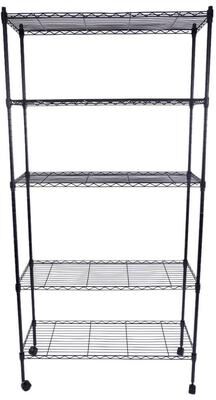
karlinc 5 Tier Rolling Steel Shelving Unit Wire Shelves Garage Shelving Storage Racks【EASY TO ASSEMBLE】: The storage shelves is easy to assemble,This wire shelf structure is very simple ,No tools required to assemble it.The shelving unit is simple to assemble,You only need to spend fifteen minutes to install it.storage shelves wire...57,37 $*Shipping: 0,00 $Secure redirect to the provider
-
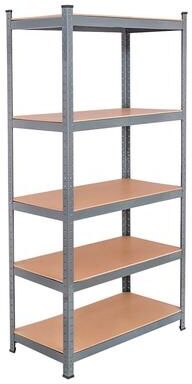
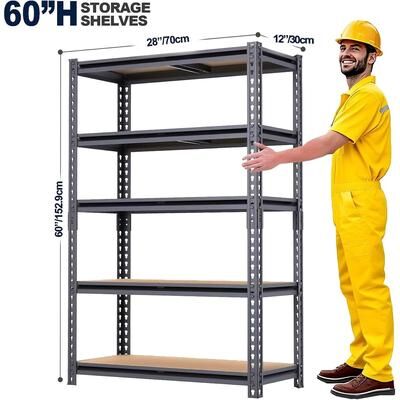
Garvee 5-Shelf Shelving, Storage Shelves Metal Bookshelves for StorageAdjustable Shelves: 5-tier adjustable shelving unit features multi-hole side poles for easy height customization on each shelf, combining stylish design with versatile home storage shelves and office organization racks Reinforced Support: The 5 Tier…104,99 $*Shipping: 0,00 $Secure redirect to the provider


-
What does unreactive mean in chemistry?
In chemistry, unreactive refers to a substance or element that does not readily undergo chemical reactions with other substances. This could be due to a stable electronic configuration, which makes it less likely to gain or lose electrons. Unreactive substances are often used as inert materials or as protective coatings to prevent reactions with other chemicals. Examples of unreactive elements include noble gases like helium, neon, and argon. **
-
How do alcohols react with unreactive metals?
Alcohols do not typically react with unreactive metals such as copper, silver, or gold. This is because alcohols are relatively weak acids and do not have the ability to displace the metal from its compound. Therefore, unreactive metals do not undergo any significant chemical reaction with alcohols. However, more reactive metals such as sodium or potassium can react with alcohols to produce hydrogen gas and the corresponding metal alkoxide. **
-
How do acids react with unreactive metals?
Acids react with unreactive metals by displacing hydrogen from the acid. This reaction produces hydrogen gas and a salt of the metal. For example, when hydrochloric acid reacts with a metal like zinc, it produces zinc chloride and hydrogen gas. The reaction between acids and unreactive metals is a redox reaction, where the metal is oxidized and the hydrogen in the acid is reduced. **
-
Are the elements in the 7th main group of the periodic table, the halogens, reactive or rather unreactive?
The elements in the 7th main group of the periodic table, the halogens, are highly reactive. They have a strong tendency to gain an electron to achieve a full outer shell, making them very reactive with other elements. For example, they readily form compounds with metals, creating salts. This reactivity is due to their high electronegativity and their strong desire to gain an electron. **

Is the element fluorine reactive or rather unreactive? How can this be explained using the noble gases as an example?
Fluorine is highly reactive due to its strong electronegativity and its tendency to gain an electron to achieve a stable octet configuration. This makes it highly reactive with other elements, forming compounds such as fluorides. This can be explained using the noble gases as an example, as they have a stable octet configuration and are therefore very unreactive. Fluorine's reactivity contrasts with the noble gases, as it seeks to gain an electron to achieve stability, while the noble gases already have a full outer shell and do not readily form compounds. **
Which desks do you use?
I use a variety of desks depending on the task at hand. For writing and research, I prefer a spacious wooden desk with plenty of room to spread out my materials. When working on my computer, I use a simple, ergonomic desk with space for my monitor, keyboard, and mouse. Overall, I prioritize comfort and functionality in choosing the desks I use for different activities. **
Top-Angebote
Products related to Unreactive:
-
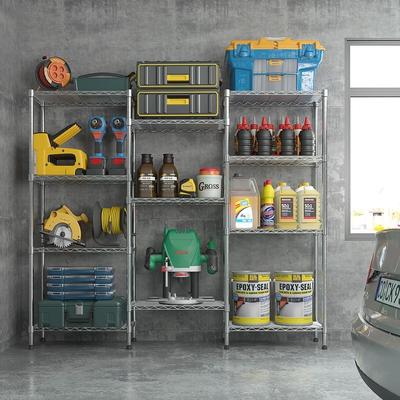
Winado 62.9''W Adjustable Storage Shelves NSF Wire Shelving Unit Multiple rows Shelving for Storage Rack Shelves"Introductions: 【62.9''W Monster Size Wire Shelving Unit】The 62.9 ""W storage rack is triple the size of the market shelves, which is truly a blessing for storage enthusiasts to easily meet more storage needs."121,49 $*Shipping: 0,00 $Secure redirect to the provider
-
karlinc 5 Tier Rolling Steel Shelving Unit Wire Shelves Garage Shelving Storage Racks【EASY TO ASSEMBLE】: The storage shelves is easy to assemble,This wire shelf structure is very simple ,No tools required to assemble it.The shelving unit is simple to assemble,You only need to spend fifteen minutes to install it.storage shelves wire...57,37 $*Shipping: 0,00 $Secure redirect to the provider
-
Why is nitrogen so unreactive?
Nitrogen is unreactive because it has a very stable triple bond between its two nitrogen atoms in the N2 molecule. This triple bond requires a large amount of energy to break, making nitrogen less likely to participate in chemical reactions. Additionally, the outer electron shell of nitrogen is already filled with 8 electrons, making it less likely to gain or lose electrons to form chemical bonds with other elements. These factors contribute to nitrogen's overall inertness and unreactivity. **
-
Why are noble gases so unreactive?
Noble gases are unreactive because they have a full outer electron shell, making them very stable. This full outer shell means that they do not need to gain, lose, or share electrons with other atoms to achieve a stable electron configuration. As a result, noble gases do not readily form chemical bonds with other elements, making them highly unreactive. **
-
What does unreactive mean in chemistry?
In chemistry, unreactive refers to a substance or element that does not readily undergo chemical reactions with other substances. This could be due to a stable electronic configuration, which makes it less likely to gain or lose electrons. Unreactive substances are often used as inert materials or as protective coatings to prevent reactions with other chemicals. Examples of unreactive elements include noble gases like helium, neon, and argon. **
-
How do alcohols react with unreactive metals?
Alcohols do not typically react with unreactive metals such as copper, silver, or gold. This is because alcohols are relatively weak acids and do not have the ability to displace the metal from its compound. Therefore, unreactive metals do not undergo any significant chemical reaction with alcohols. However, more reactive metals such as sodium or potassium can react with alcohols to produce hydrogen gas and the corresponding metal alkoxide. **
Similar search terms for Unreactive
-
Garvee 5-Shelf Shelving, Storage Shelves Metal Bookshelves for StorageAdjustable Shelves: 5-tier adjustable shelving unit features multi-hole side poles for easy height customization on each shelf, combining stylish design with versatile home storage shelves and office organization racks Reinforced Support: The 5 Tier…104,99 $*Shipping: 0,00 $Secure redirect to the provider
-
Winado 62.9''W Adjustable Storage Shelves NSF Wire Shelving Unit Multiple rows Shelving for Storage Rack Shelves"Introductions: 【62.9''W Monster Size Wire Shelving Unit】The 62.9 ""W storage rack is triple the size of the market shelves, which is truly a blessing for storage enthusiasts to easily meet more storage needs."109,41 $*Shipping: 0,00 $Secure redirect to the provider
-
Winado 62.9''W Adjustable Storage Shelves NSF Wire Shelving Unit Multiple rows Shelving for Storage Rack Shelves"Introductions: 【62.9''W Monster Size Wire Shelving Unit】The 62.9 ""W storage rack is triple the size of the market shelves, which is truly a blessing for storage enthusiasts to easily meet more storage needs."131,49 $*Shipping: 0,00 $Secure redirect to the provider
-
How do acids react with unreactive metals?
Acids react with unreactive metals by displacing hydrogen from the acid. This reaction produces hydrogen gas and a salt of the metal. For example, when hydrochloric acid reacts with a metal like zinc, it produces zinc chloride and hydrogen gas. The reaction between acids and unreactive metals is a redox reaction, where the metal is oxidized and the hydrogen in the acid is reduced. **
-
Are the elements in the 7th main group of the periodic table, the halogens, reactive or rather unreactive?
The elements in the 7th main group of the periodic table, the halogens, are highly reactive. They have a strong tendency to gain an electron to achieve a full outer shell, making them very reactive with other elements. For example, they readily form compounds with metals, creating salts. This reactivity is due to their high electronegativity and their strong desire to gain an electron. **
-
Is the element fluorine reactive or rather unreactive? How can this be explained using the noble gases as an example?
Fluorine is highly reactive due to its strong electronegativity and its tendency to gain an electron to achieve a stable octet configuration. This makes it highly reactive with other elements, forming compounds such as fluorides. This can be explained using the noble gases as an example, as they have a stable octet configuration and are therefore very unreactive. Fluorine's reactivity contrasts with the noble gases, as it seeks to gain an electron to achieve stability, while the noble gases already have a full outer shell and do not readily form compounds. **
-
Which desks do you use?
I use a variety of desks depending on the task at hand. For writing and research, I prefer a spacious wooden desk with plenty of room to spread out my materials. When working on my computer, I use a simple, ergonomic desk with space for my monitor, keyboard, and mouse. Overall, I prioritize comfort and functionality in choosing the desks I use for different activities. **
* All prices are inclusive of VAT and, if applicable, plus shipping costs. The offer information is based on the details provided by the respective shop and is updated through automated processes. Real-time updates do not occur, so deviations can occur in individual cases. ** Note: Parts of this content were created by AI.