Buy bueroeinrichtungen.eu ?
We are moving the project
bueroeinrichtungen.eu .
Are you interested in purchasing the domain
bueroeinrichtungen.eu ?
domain@kv-gmbh.de · 0541-91531010
Buy bueroeinrichtungen.eu ?
Do you need 10 kg of fuel in space to decelerate if you have accelerated with 10 kg?
No, you do not need 10 kg of fuel in space to decelerate if you have accelerated with 10 kg. In space, the principle of conservation of momentum applies, which means that if you have accelerated with 10 kg of fuel, you can decelerate with the same amount of fuel. This is because the momentum gained during acceleration can be cancelled out by deceleration using the same amount of fuel. Therefore, the amount of fuel needed for deceleration would be the same as the amount used for acceleration. **
How long is gasoline and diesel fuel storage life?
Gasoline typically has a storage life of about three to six months when stored in a proper container and in ideal conditions. Diesel fuel, on the other hand, can last between six months to a year if stored correctly. It is important to store both types of fuel in a cool, dry place away from direct sunlight and to use fuel stabilizers to extend their shelf life. Regularly rotating stored fuel and using it before it degrades is also recommended to ensure its effectiveness. **

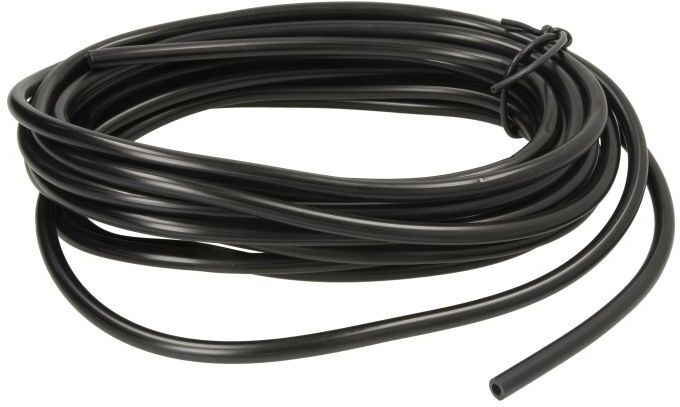
Similar search terms for ARIETE-03999-10-Fuel
Top-Angebote
Products related to ARIETE-03999-10-Fuel:

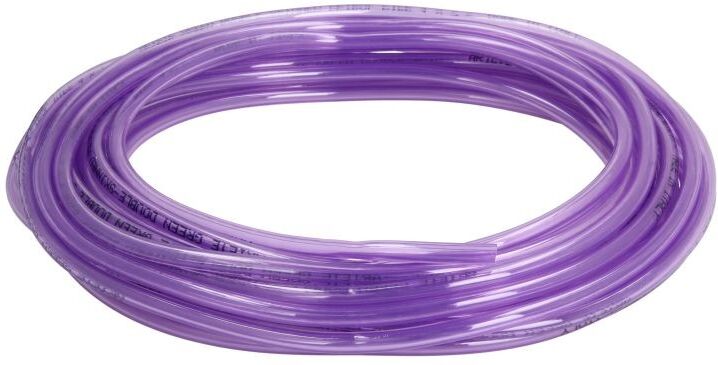
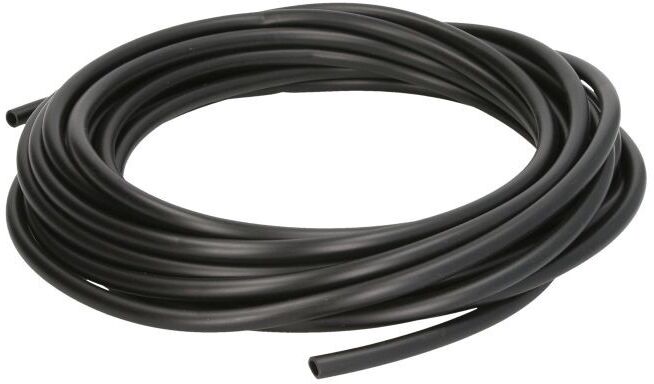

-
Can a simpler canister be used for fuel storage?
Yes, a simpler canister can be used for fuel storage, but it is important to ensure that the canister is designed to safely store the specific type of fuel being used. The canister should be made of a material that is compatible with the fuel and should have a secure closure to prevent leaks. Additionally, it is important to follow all safety guidelines and regulations for fuel storage to prevent accidents or environmental damage. **
-
What would happen if you pour 10 liters of 99.9% isopropanol into the car's fuel tank?
If you were to pour 10 liters of 99.9% isopropanol into a car's fuel tank, it would likely cause significant damage to the engine and fuel system. Isopropanol is not a suitable fuel for internal combustion engines and can cause corrosion and damage to engine components. Additionally, the high concentration of isopropanol could disrupt the proper combustion process and lead to engine misfires or stalling. It is important to only use the appropriate type of fuel for a car's engine to avoid causing damage and potential safety hazards. **
-
What happens if you fuel up with dirty fuel?
If you fuel up with dirty fuel, it can cause damage to your vehicle's engine and fuel system. Dirty fuel can contain contaminants such as dirt, water, and other impurities that can clog fuel filters, injectors, and other components. This can lead to decreased engine performance, reduced fuel efficiency, and potentially costly repairs. It's important to always use clean, high-quality fuel to ensure the proper functioning and longevity of your vehicle. **
-
Which fuel pump?
The choice of fuel pump depends on the specific requirements of the vehicle and its engine. Factors to consider include the engine's fuel consumption, the vehicle's fuel system pressure requirements, and the compatibility with the vehicle's electrical system. It's important to consult with a professional mechanic or refer to the vehicle's specifications to determine the most suitable fuel pump for the specific application. **


How can you save fuel by choosing fuel-efficient routes?
You can save fuel by choosing fuel-efficient routes because these routes are often designed to minimize stops and idling, which can waste fuel. Fuel-efficient routes may also avoid traffic congestion and hills, which can increase fuel consumption. By selecting the most direct and smooth routes, you can reduce the overall distance traveled and the amount of fuel needed to reach your destination. Additionally, using GPS navigation systems or apps that provide real-time traffic updates can help you choose the most efficient route based on current road conditions. **
Which old fuel-efficient cars are suitable for saving fuel?
Some old fuel-efficient cars that are suitable for saving fuel include the Honda Civic, Toyota Prius, and Volkswagen Golf TDI. These cars are known for their excellent fuel economy and can help drivers save money on gas. Additionally, their smaller size and lighter weight contribute to their fuel efficiency, making them a good choice for those looking to reduce their fuel consumption. **
Top-Angebote
Products related to ARIETE-03999-10-Fuel:
-
Do you need 10 kg of fuel in space to decelerate if you have accelerated with 10 kg?
No, you do not need 10 kg of fuel in space to decelerate if you have accelerated with 10 kg. In space, the principle of conservation of momentum applies, which means that if you have accelerated with 10 kg of fuel, you can decelerate with the same amount of fuel. This is because the momentum gained during acceleration can be cancelled out by deceleration using the same amount of fuel. Therefore, the amount of fuel needed for deceleration would be the same as the amount used for acceleration. **
-
How long is gasoline and diesel fuel storage life?
Gasoline typically has a storage life of about three to six months when stored in a proper container and in ideal conditions. Diesel fuel, on the other hand, can last between six months to a year if stored correctly. It is important to store both types of fuel in a cool, dry place away from direct sunlight and to use fuel stabilizers to extend their shelf life. Regularly rotating stored fuel and using it before it degrades is also recommended to ensure its effectiveness. **
-
Can a simpler canister be used for fuel storage?
Yes, a simpler canister can be used for fuel storage, but it is important to ensure that the canister is designed to safely store the specific type of fuel being used. The canister should be made of a material that is compatible with the fuel and should have a secure closure to prevent leaks. Additionally, it is important to follow all safety guidelines and regulations for fuel storage to prevent accidents or environmental damage. **
-
What would happen if you pour 10 liters of 99.9% isopropanol into the car's fuel tank?
If you were to pour 10 liters of 99.9% isopropanol into a car's fuel tank, it would likely cause significant damage to the engine and fuel system. Isopropanol is not a suitable fuel for internal combustion engines and can cause corrosion and damage to engine components. Additionally, the high concentration of isopropanol could disrupt the proper combustion process and lead to engine misfires or stalling. It is important to only use the appropriate type of fuel for a car's engine to avoid causing damage and potential safety hazards. **
Similar search terms for ARIETE-03999-10-Fuel
-
What happens if you fuel up with dirty fuel?
If you fuel up with dirty fuel, it can cause damage to your vehicle's engine and fuel system. Dirty fuel can contain contaminants such as dirt, water, and other impurities that can clog fuel filters, injectors, and other components. This can lead to decreased engine performance, reduced fuel efficiency, and potentially costly repairs. It's important to always use clean, high-quality fuel to ensure the proper functioning and longevity of your vehicle. **
-
Which fuel pump?
The choice of fuel pump depends on the specific requirements of the vehicle and its engine. Factors to consider include the engine's fuel consumption, the vehicle's fuel system pressure requirements, and the compatibility with the vehicle's electrical system. It's important to consult with a professional mechanic or refer to the vehicle's specifications to determine the most suitable fuel pump for the specific application. **
-
How can you save fuel by choosing fuel-efficient routes?
You can save fuel by choosing fuel-efficient routes because these routes are often designed to minimize stops and idling, which can waste fuel. Fuel-efficient routes may also avoid traffic congestion and hills, which can increase fuel consumption. By selecting the most direct and smooth routes, you can reduce the overall distance traveled and the amount of fuel needed to reach your destination. Additionally, using GPS navigation systems or apps that provide real-time traffic updates can help you choose the most efficient route based on current road conditions. **
-
Which old fuel-efficient cars are suitable for saving fuel?
Some old fuel-efficient cars that are suitable for saving fuel include the Honda Civic, Toyota Prius, and Volkswagen Golf TDI. These cars are known for their excellent fuel economy and can help drivers save money on gas. Additionally, their smaller size and lighter weight contribute to their fuel efficiency, making them a good choice for those looking to reduce their fuel consumption. **
* All prices are inclusive of VAT and, if applicable, plus shipping costs. The offer information is based on the details provided by the respective shop and is updated through automated processes. Real-time updates do not occur, so deviations can occur in individual cases. ** Note: Parts of this content were created by AI.