Buy bueroeinrichtungen.eu ?
We are moving the project
bueroeinrichtungen.eu .
Are you interested in purchasing the domain
bueroeinrichtungen.eu ?
domain@kv-gmbh.de · 0541-91531010
Buy bueroeinrichtungen.eu ?
Can terracotta crack?
Yes, terracotta can crack. Terracotta is a type of clay-based ceramic material that is porous and can be prone to cracking if not handled or maintained properly. Factors such as sudden changes in temperature, excessive moisture, or physical impact can cause terracotta to crack. To prevent cracking, it is important to handle terracotta items with care and avoid exposing them to extreme conditions. **
Can terracotta be biodegraded?
Terracotta is a type of clay-based ceramic material that is fired at high temperatures, making it non-biodegradable. It is a durable and long-lasting material that does not easily break down in the environment. While it can be recycled and repurposed, terracotta does not biodegrade naturally like organic materials such as wood or paper. Therefore, it is important to consider the environmental impact of terracotta products and to properly dispose of them through recycling or reusing. **

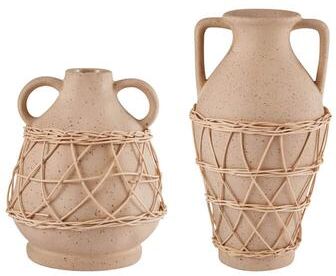
Similar search terms for Elements-Terracotta-Twist-Stoneware
Top-Angebote
Products related to Elements-Terracotta-Twist-Stoneware:
-
Atlas Lighting and Home Atlas Terra Terracotta VaseThe Terra Vase has a stylized milk bottle shape, with a cylindrical earthenware body and a wide mouth opening. The body is painted in smooth terracotta which tapers to an ombre with slight texture in the middle and raw ceramic at the base.31,49 $*Shipping: 0,00 $Secure redirect to the provider
-
Atlas Lighting and Home Atlas Adara Rounded Terracotta VaseThe Adara vases have a small handle and a rounded shape which tapers to a narrow mouth opening. The finish is terracotta with a glossy glaze, and the bottom is banded with raw matte ceramic.46,00 $*Shipping: 0,00 $Secure redirect to the provider



-
How is porcelain stoneware cleaned?
Porcelain stoneware can be cleaned using a mild detergent or a mixture of water and vinegar. It is important to avoid abrasive cleaners or harsh chemicals that can damage the surface of the stoneware. A soft cloth or mop can be used to gently clean the surface, followed by rinsing with clean water. For tougher stains, a specialized porcelain stoneware cleaner may be used following the manufacturer's instructions. **
-
How do I get terracotta color?
To achieve a terracotta color, you can mix equal parts of red and orange paint. Adjust the ratio of red and orange to get the desired shade of terracotta. You can also add a touch of brown or yellow to further customize the color. Experiment with different combinations until you achieve the perfect terracotta hue. **
-
Which lighting elements complement the desert terrarium?
For a desert terrarium, lighting elements that mimic natural sunlight are ideal. Full-spectrum LED grow lights can provide the necessary light for desert plants to thrive. Additionally, incorporating warm-toned lighting fixtures can enhance the overall aesthetic of the terrarium and create a cozy atmosphere. Avoiding harsh, bright lights is important as desert plants typically thrive in more subdued lighting conditions. **
-
How do I clean terracotta pots again?
To clean terracotta pots, you can follow these steps: 1. Empty the pot of any soil and plants. 2. Use a stiff brush or scrubbing pad to remove any dirt or debris from the pot's surface. 3. Mix a solution of equal parts water and white vinegar or mild dish soap. 4. Use a sponge or cloth to scrub the pot with the cleaning solution, paying extra attention to any stubborn stains. 5. Rinse the pot thoroughly with clean water to remove any soap residue. 6. Allow the pot to air dry completely before using it again. It's important to note that terracotta pots are porous, so avoid using harsh chemicals or abrasive cleaners that could damage the pot's surface. **


Are terracotta pots allowed in the dishwasher?
No, terracotta pots are not recommended to be washed in the dishwasher. The high heat and harsh detergents used in dishwashers can damage the porous surface of the terracotta, causing it to become brittle and more prone to cracking. It is best to hand wash terracotta pots with mild soap and water to preserve their integrity and longevity. **
How can you repair a terracotta pot?
To repair a terracotta pot, you can start by cleaning the broken edges with a damp cloth to remove any dirt or debris. Then, use a strong adhesive specifically designed for terracotta or ceramics to glue the broken pieces back together. Hold the pieces in place for a few minutes to ensure a strong bond. Once the adhesive has dried, you can sand down any rough edges and touch up the pot with matching paint if needed. Finally, allow the pot to fully dry and cure before using it again. **
Top-Angebote
Products related to Elements-Terracotta-Twist-Stoneware:
-
Can terracotta crack?
Yes, terracotta can crack. Terracotta is a type of clay-based ceramic material that is porous and can be prone to cracking if not handled or maintained properly. Factors such as sudden changes in temperature, excessive moisture, or physical impact can cause terracotta to crack. To prevent cracking, it is important to handle terracotta items with care and avoid exposing them to extreme conditions. **
-
Can terracotta be biodegraded?
Terracotta is a type of clay-based ceramic material that is fired at high temperatures, making it non-biodegradable. It is a durable and long-lasting material that does not easily break down in the environment. While it can be recycled and repurposed, terracotta does not biodegrade naturally like organic materials such as wood or paper. Therefore, it is important to consider the environmental impact of terracotta products and to properly dispose of them through recycling or reusing. **
-
How is porcelain stoneware cleaned?
Porcelain stoneware can be cleaned using a mild detergent or a mixture of water and vinegar. It is important to avoid abrasive cleaners or harsh chemicals that can damage the surface of the stoneware. A soft cloth or mop can be used to gently clean the surface, followed by rinsing with clean water. For tougher stains, a specialized porcelain stoneware cleaner may be used following the manufacturer's instructions. **
-
How do I get terracotta color?
To achieve a terracotta color, you can mix equal parts of red and orange paint. Adjust the ratio of red and orange to get the desired shade of terracotta. You can also add a touch of brown or yellow to further customize the color. Experiment with different combinations until you achieve the perfect terracotta hue. **
Similar search terms for Elements-Terracotta-Twist-Stoneware
-
Atlas Lighting and Home Atlas Terra Terracotta VaseThe Terra Vase has a stylized milk bottle shape, with a cylindrical earthenware body and a wide mouth opening. The body is painted in smooth terracotta which tapers to an ombre with slight texture in the middle and raw ceramic at the base.31,49 $*Shipping: 0,00 $Secure redirect to the provider
-
Atlas Lighting and Home Atlas Adara Rounded Terracotta VaseThe Adara vases have a small handle and a rounded shape which tapers to a narrow mouth opening. The finish is terracotta with a glossy glaze, and the bottom is banded with raw matte ceramic.46,00 $*Shipping: 0,00 $Secure redirect to the provider
-
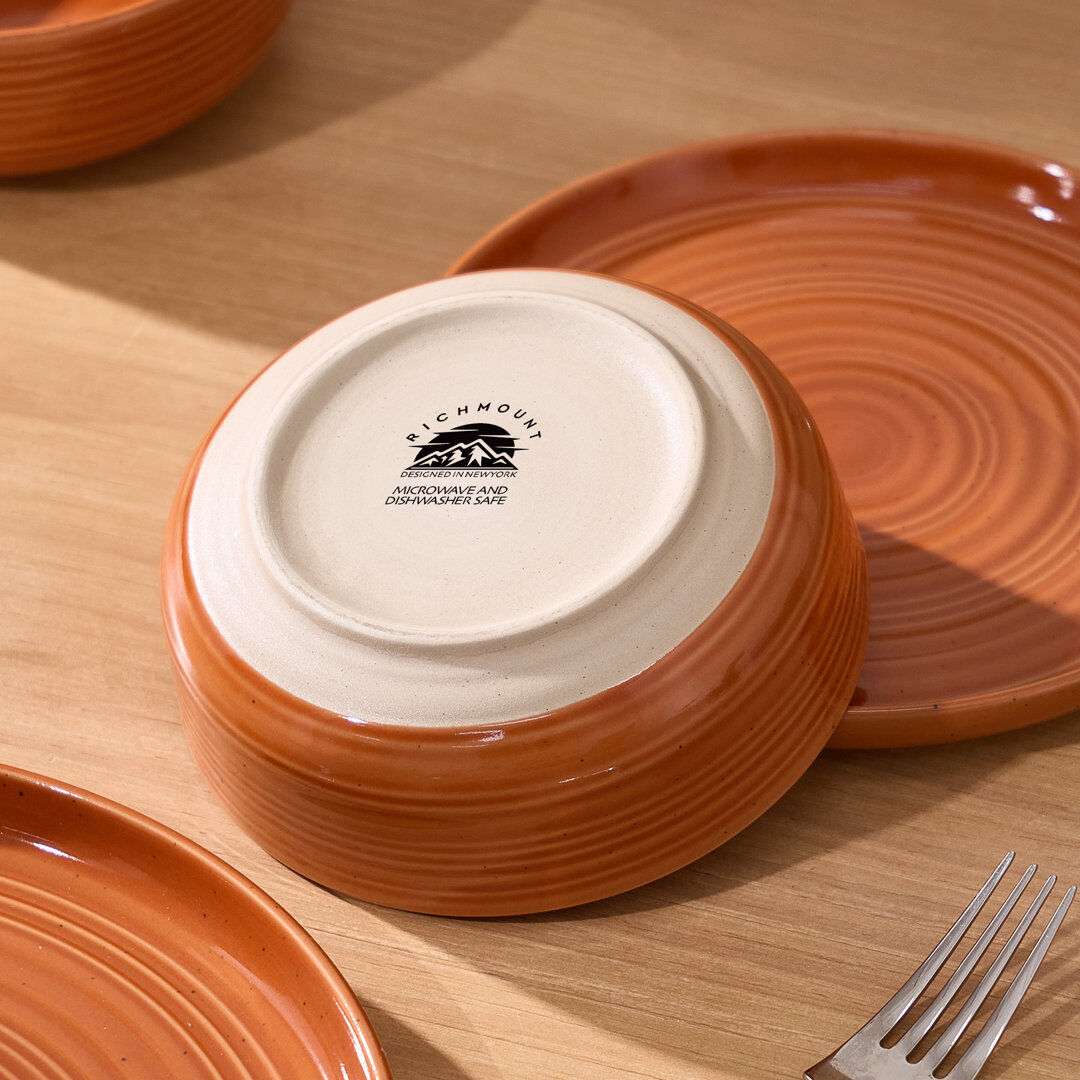
Gibson Elite Northrock Stoneware Dinnerware Set, 16-Piece Service for 4 - Plates & Bowls with Hand-Painted Terracotta BaseThe Northrock 12-Piece Reactive Dinnerware Set from Gibson Elite is where everyday function meets a gallery-worthy finish.69,99 $*Shipping: 0,00 $Secure redirect to the provider
-
Which lighting elements complement the desert terrarium?
For a desert terrarium, lighting elements that mimic natural sunlight are ideal. Full-spectrum LED grow lights can provide the necessary light for desert plants to thrive. Additionally, incorporating warm-toned lighting fixtures can enhance the overall aesthetic of the terrarium and create a cozy atmosphere. Avoiding harsh, bright lights is important as desert plants typically thrive in more subdued lighting conditions. **
-
How do I clean terracotta pots again?
To clean terracotta pots, you can follow these steps: 1. Empty the pot of any soil and plants. 2. Use a stiff brush or scrubbing pad to remove any dirt or debris from the pot's surface. 3. Mix a solution of equal parts water and white vinegar or mild dish soap. 4. Use a sponge or cloth to scrub the pot with the cleaning solution, paying extra attention to any stubborn stains. 5. Rinse the pot thoroughly with clean water to remove any soap residue. 6. Allow the pot to air dry completely before using it again. It's important to note that terracotta pots are porous, so avoid using harsh chemicals or abrasive cleaners that could damage the pot's surface. **
-
Are terracotta pots allowed in the dishwasher?
No, terracotta pots are not recommended to be washed in the dishwasher. The high heat and harsh detergents used in dishwashers can damage the porous surface of the terracotta, causing it to become brittle and more prone to cracking. It is best to hand wash terracotta pots with mild soap and water to preserve their integrity and longevity. **
-
How can you repair a terracotta pot?
To repair a terracotta pot, you can start by cleaning the broken edges with a damp cloth to remove any dirt or debris. Then, use a strong adhesive specifically designed for terracotta or ceramics to glue the broken pieces back together. Hold the pieces in place for a few minutes to ensure a strong bond. Once the adhesive has dried, you can sand down any rough edges and touch up the pot with matching paint if needed. Finally, allow the pot to fully dry and cure before using it again. **
* All prices are inclusive of VAT and, if applicable, plus shipping costs. The offer information is based on the details provided by the respective shop and is updated through automated processes. Real-time updates do not occur, so deviations can occur in individual cases. ** Note: Parts of this content were created by AI.