Buy bueroeinrichtungen.eu ?
We are moving the project
bueroeinrichtungen.eu .
Are you interested in purchasing the domain
bueroeinrichtungen.eu ?
domain@kv-gmbh.de · 0541-91531010
Buy bueroeinrichtungen.eu ?
'besteht?' translates to 'exists?' in English.
"Besteht?" translates to "exists?" in English. This question is used to inquire about the presence or existence of something. It is often used to confirm whether something is real or present in a particular situation. For example, "Besteht dieses Problem?" translates to "Does this problem exist?" **
'dunklen?' translates to 'dark?' in English.
Yes, "dunklen?" translates to "dark?" in English. The word "dunklen" is the accusative form of the adjective "dunkel" in German, and it is used to inquire about the darkness of something. In English, the question mark at the end indicates that the speaker is asking if something is dark or if a situation is unclear or mysterious. **

Similar search terms for Translates
Top-Angebote
Products related to Translates:
-
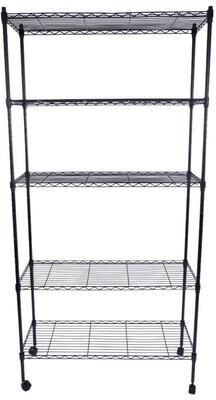
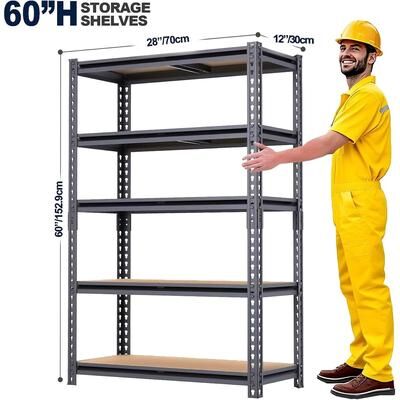
karlinc 5 Tier Rolling Steel Shelving Unit Wire Shelves Garage Shelving Storage Racks【EASY TO ASSEMBLE】: The storage shelves is easy to assemble,This wire shelf structure is very simple ,No tools required to assemble it.The shelving unit is simple to assemble,You only need to spend fifteen minutes to install it.storage shelves wire...53,54 $*Shipping: 0,00 $Secure redirect to the provider
-
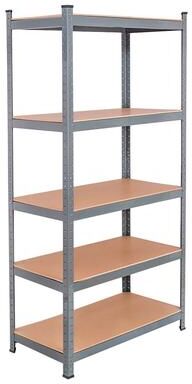
Garvee 5-Shelf Shelving, Storage Shelves Metal Bookshelves for StorageAdjustable Shelves: 5-tier adjustable shelving unit features multi-hole side poles for easy height customization on each shelf, combining stylish design with versatile home storage shelves and office organization racks Reinforced Support: The 5 Tier…104,99 $*Shipping: 0,00 $Secure redirect to the provider


-
'kommt?' translates to 'coming?' in English.
"Kommt?" is a question in German that translates to "coming?" in English. It is used to inquire about someone's arrival or presence at a certain place or event. The question is often used to confirm if someone is on their way or if they plan to attend a specific location or gathering. **
-
'aus?' translates to 'out?' in English.
''aus?'' is a German word that translates to ''out?'' in English. It is commonly used to inquire if someone is leaving or going out of a place. The question mark at the end indicates that it is a question. **
-
'Fragt' translates to 'ask' in English.
In German, the word 'fragt' translates to 'ask' in English. It is the imperative form of the verb 'fragen,' which means 'to ask.' So, 'fragt' is used to give a command or request for someone to ask a question or inquire about something. For example, "Fragt ihn, ob er heute Abend kommen kann" translates to "Ask him if he can come tonight." **
-
'kann?' translates to 'can?' in English.
Yes, "kann?" translates to "can?" in English. It is a simple question in both languages that is used to inquire about someone's ability or permission to do something. The word "kann" is the conjugated form of the German verb "können," which means "to be able to" or "can." Similarly, "can" is the modal verb in English used to express ability or permission. **

'sieht?' translates to 'looks?' in English.
''Sieht?'' is a question in German that translates to ''looks?'' in English. It is often used to inquire about the appearance or visual perception of something. This question prompts the listener to provide their opinion or observation regarding what they see. **
'ausgeht?' translates to 'going out?' in English.
"Ausgeht?" is a question in German that translates to "going out?" in English. It is commonly used to ask someone if they are planning to go out or if they have plans to leave their current location. This question can be used in various contexts, such as asking about social plans, evening activities, or simply inquiring about someone's intentions to leave a place. **
Top-Angebote
Products related to Translates:
-
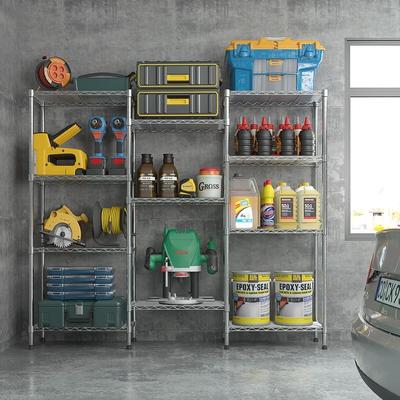
Winado 62.9''W Adjustable Storage Shelves NSF Wire Shelving Unit Multiple rows Shelving for Storage Rack Shelves"Introductions: 【62.9''W Monster Size Wire Shelving Unit】The 62.9 ""W storage rack is triple the size of the market shelves, which is truly a blessing for storage enthusiasts to easily meet more storage needs."121,49 $*Shipping: 0,00 $Secure redirect to the provider
-
karlinc 5 Tier Rolling Steel Shelving Unit Wire Shelves Garage Shelving Storage Racks【EASY TO ASSEMBLE】: The storage shelves is easy to assemble,This wire shelf structure is very simple ,No tools required to assemble it.The shelving unit is simple to assemble,You only need to spend fifteen minutes to install it.storage shelves wire...53,54 $*Shipping: 0,00 $Secure redirect to the provider
-
'besteht?' translates to 'exists?' in English.
"Besteht?" translates to "exists?" in English. This question is used to inquire about the presence or existence of something. It is often used to confirm whether something is real or present in a particular situation. For example, "Besteht dieses Problem?" translates to "Does this problem exist?" **
-
'dunklen?' translates to 'dark?' in English.
Yes, "dunklen?" translates to "dark?" in English. The word "dunklen" is the accusative form of the adjective "dunkel" in German, and it is used to inquire about the darkness of something. In English, the question mark at the end indicates that the speaker is asking if something is dark or if a situation is unclear or mysterious. **
-
'kommt?' translates to 'coming?' in English.
"Kommt?" is a question in German that translates to "coming?" in English. It is used to inquire about someone's arrival or presence at a certain place or event. The question is often used to confirm if someone is on their way or if they plan to attend a specific location or gathering. **
-
'aus?' translates to 'out?' in English.
''aus?'' is a German word that translates to ''out?'' in English. It is commonly used to inquire if someone is leaving or going out of a place. The question mark at the end indicates that it is a question. **
Similar search terms for Translates
-
Garvee 5-Shelf Shelving, Storage Shelves Metal Bookshelves for StorageAdjustable Shelves: 5-tier adjustable shelving unit features multi-hole side poles for easy height customization on each shelf, combining stylish design with versatile home storage shelves and office organization racks Reinforced Support: The 5 Tier…104,99 $*Shipping: 0,00 $Secure redirect to the provider
-
Winado 62.9''W Adjustable Storage Shelves NSF Wire Shelving Unit Multiple rows Shelving for Storage Rack Shelves"Introductions: 【62.9''W Monster Size Wire Shelving Unit】The 62.9 ""W storage rack is triple the size of the market shelves, which is truly a blessing for storage enthusiasts to easily meet more storage needs."109,41 $*Shipping: 0,00 $Secure redirect to the provider
-
Winado 62.9''W Adjustable Storage Shelves NSF Wire Shelving Unit Multiple rows Shelving for Storage Rack Shelves"Introductions: 【62.9''W Monster Size Wire Shelving Unit】The 62.9 ""W storage rack is triple the size of the market shelves, which is truly a blessing for storage enthusiasts to easily meet more storage needs."131,49 $*Shipping: 0,00 $Secure redirect to the provider
-
'Fragt' translates to 'ask' in English.
In German, the word 'fragt' translates to 'ask' in English. It is the imperative form of the verb 'fragen,' which means 'to ask.' So, 'fragt' is used to give a command or request for someone to ask a question or inquire about something. For example, "Fragt ihn, ob er heute Abend kommen kann" translates to "Ask him if he can come tonight." **
-
'kann?' translates to 'can?' in English.
Yes, "kann?" translates to "can?" in English. It is a simple question in both languages that is used to inquire about someone's ability or permission to do something. The word "kann" is the conjugated form of the German verb "können," which means "to be able to" or "can." Similarly, "can" is the modal verb in English used to express ability or permission. **
-
'sieht?' translates to 'looks?' in English.
''Sieht?'' is a question in German that translates to ''looks?'' in English. It is often used to inquire about the appearance or visual perception of something. This question prompts the listener to provide their opinion or observation regarding what they see. **
-
'ausgeht?' translates to 'going out?' in English.
"Ausgeht?" is a question in German that translates to "going out?" in English. It is commonly used to ask someone if they are planning to go out or if they have plans to leave their current location. This question can be used in various contexts, such as asking about social plans, evening activities, or simply inquiring about someone's intentions to leave a place. **
* All prices are inclusive of VAT and, if applicable, plus shipping costs. The offer information is based on the details provided by the respective shop and is updated through automated processes. Real-time updates do not occur, so deviations can occur in individual cases. ** Note: Parts of this content were created by AI.