Buy bueroeinrichtungen.eu ?
We are moving the project
bueroeinrichtungen.eu .
Are you interested in purchasing the domain
bueroeinrichtungen.eu ?
domain@kv-gmbh.de · 0541-91531010
Buy bueroeinrichtungen.eu ?
What are sensory cells, sensory organs, and senses?
Sensory cells are specialized cells that detect and respond to specific stimuli, such as light, sound, touch, taste, and smell. These cells are found in sensory organs, which are structures in the body that contain sensory cells and are responsible for detecting and transmitting sensory information to the brain. The senses, on the other hand, are the physiological capacities of organisms that provide data for perception. They include sight, hearing, touch, taste, and smell, and are essential for experiencing and interacting with the environment. **
Does this table match the chairs?
Yes, the table matches the chairs. They are both made of the same type of wood and have a similar color and finish. Additionally, the design and style of the table and chairs complement each other, creating a cohesive look in the room. Overall, the table and chairs create a harmonious and coordinated dining set. **


Similar search terms for VEVOR-Kids-Sensory-Table
Top-Angebote
Products related to VEVOR-Kids-Sensory-Table:
-
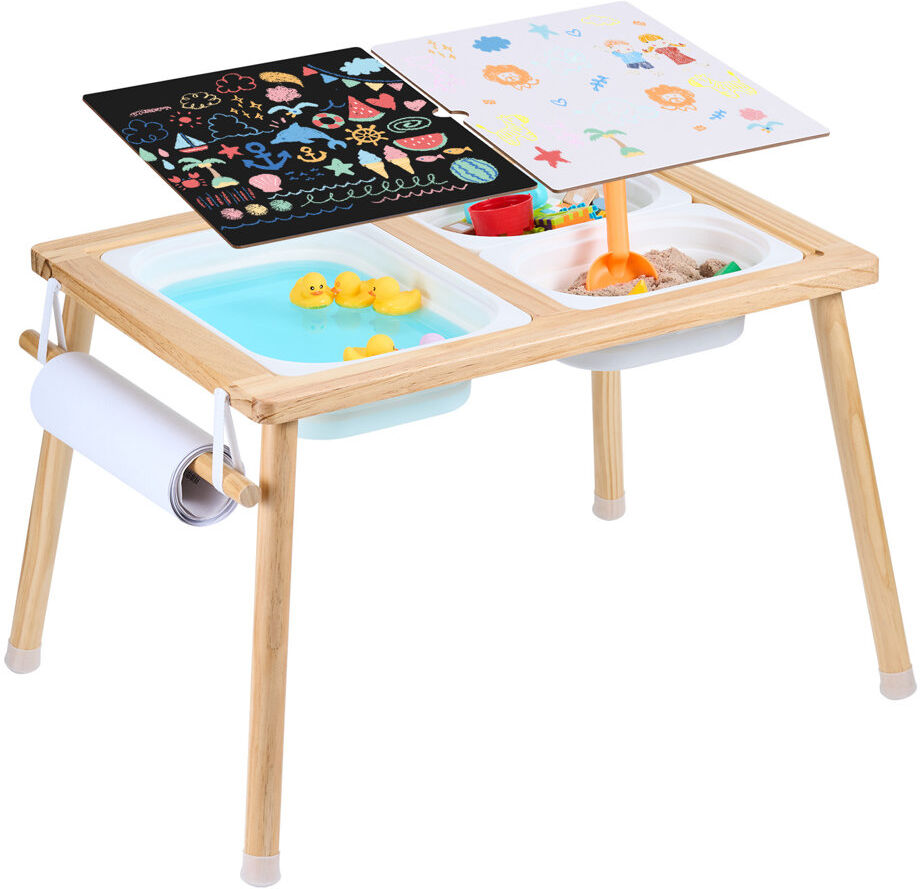
VEVOR MDF Adjustable Activity Table Yellow 74cm W X 50.5cm HVersatile Sensory Table with Paper Roll:Let your kids explore, learn, and have fun in one stable! The kids' sensory table is crafted from natural pine wood for longevity and safety. It features 2 double-sided tabletops, 1 paper roll, and 3 storage bins, convenient for drawing, painting, reading, and playing with sand and water. Multifunctional Sensory Table: Let the 81.5 × 59.9 × 50.5 cmtoddlers sensory table with paper roll create a mini playground for your kids, encouraging them to explore, play, and learn through direct sensory experiences. It's an excellent partner for enhancing sensory development while also fostering fine motor skills, cognitive abilities, and self-regulation.. Multi-Scenario Application: With 2 double-sided tabletops, our play sand and water table allows children to enjoy meals, draw, and engage in various activities. 3 folding storage bins can hold toys or art supplies, making it easy for kids to play with sand and water at home, while the paper roll holder enables easy access for kids to pull out drawing paper.. Durable and Safe Construction: The tabletop and legs are made from natural pine wood, meticulously polished with no sharp corners or burrs, making it safe for your children. With 2.5-cm thickened tabletop combined with the MDF board, our sensory table for toddlers can support up to 29.9 kg, ensuring long-lasting durability and reliability as your child grows and plays.. Easy to Assemble and Maintain: This sensory play table requires no tools for assembly —just need to connect the legs. Equipped with 4 non-slip foot caps, it protects your floors from scratches and reduces the risk of accidental bumps. The smooth surface can be easily wiped clean with a damp cloth, allowing your children draw and create freely.. Perfect Gift for Toddlers: Our sensory activity table is an ideal gift for children, suitable for birthdays, Christmas, Thanksgiving, and other festive occasions. It caters to various activities, satisfying both learning and play needs. Its lightweight design allows easy indoor and outdoor mobility, allowing kids to pursue their favourite activities freely.. Brand Name: VEVOR.68,99 £*Shipping: 0,00 £Secure redirect to the provider
-
VEVOR Home Bar Unit, L-Shaped Wine Bar Cabinet Table with Storage Shelves, Wine Glass HolderHome Bar: A multifunctional piece that combines bottle storage, display, serving, organization, and an immersive setup—ideal for wine and spirits lovers and city dwellers, the home bar is both a storage cabinet and a dedicated tasting corner Tiered…261,99 $*Shipping: 0,00 $Secure redirect to the provider
-
Quick Pick Pro Stretchable Pop Tubes Sensory Stress Relief Toy Kids Party Favors & Dog Sensory Toy Pack Stretchable Pop Tubes Sensory Stress Relief Toy Kids Party Favors & Dog Sensory Toy PackTurn everyday fidgeting into fun, calming play with pop tubes sensory toy designed to entertain, soothe, and engage both kids and pets. This colorful 10piece set transforms simple movement into satisfying sound and motion that keeps hands busy and...29,97 $*Shipping: 0,00 $Secure redirect to the provider



-
What is the difference between a primary sensory cell, a secondary sensory cell, and a sensory nerve cell?
Primary sensory cells are specialized cells that directly detect stimuli from the environment, such as light, sound, or touch. Secondary sensory cells receive signals from primary sensory cells and transmit them to the central nervous system. Sensory nerve cells, also known as sensory neurons, are responsible for transmitting the signals from secondary sensory cells to the brain, where they are processed and interpreted. In summary, primary sensory cells detect stimuli, secondary sensory cells relay the signals, and sensory nerve cells transmit the signals to the brain for processing. **
-
What is sensory perception?
Sensory perception refers to the process of receiving and interpreting information from the environment through the senses. This includes the five main senses of sight, hearing, touch, taste, and smell, as well as other sensory experiences such as balance, proprioception, and temperature. The brain then processes this sensory information to create a perception of the world around us, allowing us to interact with and understand our surroundings. Sensory perception is essential for everyday functioning and plays a crucial role in how we experience and navigate the world. **
-
Are receptors sensory cells?
Receptors are not sensory cells themselves, but they are specialized proteins located on the surface of sensory cells. These receptors are responsible for detecting and responding to specific stimuli, such as light, sound, taste, or smell. When a receptor is activated by a stimulus, it triggers a series of biochemical reactions within the sensory cell, ultimately leading to the generation of a sensory signal that can be transmitted to the brain for processing. Therefore, while receptors are not sensory cells, they play a crucial role in the sensory process by detecting and transducing stimuli into neural signals. **
-
Are city kids cooler than village kids?
It is not accurate to say that city kids are cooler than village kids or vice versa. Both city and village kids have their own unique experiences, lifestyles, and personalities that make them cool in their own ways. It is important to appreciate and respect the diversity and individuality of children from different backgrounds, rather than making generalizations based on their living environment. **

How does sensory development progress?
Sensory development progresses through a series of stages, beginning with basic sensory experiences such as touch, taste, and smell in infancy. As children grow, they develop more refined sensory abilities, such as improved vision and hearing, and begin to integrate sensory information to make sense of their environment. This process continues into adolescence and adulthood, with individuals becoming more adept at interpreting and responding to sensory stimuli. Overall, sensory development progresses from basic sensory experiences to more complex and integrated sensory abilities as individuals mature. **
What are sensory nerve cells?
Sensory nerve cells, also known as sensory neurons, are specialized cells that transmit information from the body's sensory organs (such as the skin, eyes, ears, nose, and tongue) to the central nervous system. These cells are responsible for detecting various stimuli, such as touch, temperature, pain, and pressure, and converting these stimuli into electrical signals that can be interpreted by the brain. Sensory nerve cells play a crucial role in allowing us to perceive and respond to our environment. **
Top-Angebote
Products related to VEVOR-Kids-Sensory-Table:
-
VEVOR Kids Sensory Table Indoor Wooden Play Sand Water Table with 3 Storage Bins Yellow 74cm W X 50.5cm HVersatile Sensory Table with Storage Bins: Let your little ones explore, learn, and have fun in one table! Kids sensory table is crafted from natural pine wood for longevity and safety. It features 2 double-sided tabletops and 3 storage bins, providing ample space for drawing, painting, reading, and playing with sand and water. Brand Name: VEVOR.59,99 £*Shipping: 0,00 £Secure redirect to the provider
-
VEVOR MDF Adjustable Activity Table Yellow 74cm W X 50.5cm HVersatile Sensory Table with Paper Roll:Let your kids explore, learn, and have fun in one stable! The kids' sensory table is crafted from natural pine wood for longevity and safety. It features 2 double-sided tabletops, 1 paper roll, and 3 storage bins, convenient for drawing, painting, reading, and playing with sand and water. Multifunctional Sensory Table: Let the 81.5 × 59.9 × 50.5 cmtoddlers sensory table with paper roll create a mini playground for your kids, encouraging them to explore, play, and learn through direct sensory experiences. It's an excellent partner for enhancing sensory development while also fostering fine motor skills, cognitive abilities, and self-regulation.. Multi-Scenario Application: With 2 double-sided tabletops, our play sand and water table allows children to enjoy meals, draw, and engage in various activities. 3 folding storage bins can hold toys or art supplies, making it easy for kids to play with sand and water at home, while the paper roll holder enables easy access for kids to pull out drawing paper.. Durable and Safe Construction: The tabletop and legs are made from natural pine wood, meticulously polished with no sharp corners or burrs, making it safe for your children. With 2.5-cm thickened tabletop combined with the MDF board, our sensory table for toddlers can support up to 29.9 kg, ensuring long-lasting durability and reliability as your child grows and plays.. Easy to Assemble and Maintain: This sensory play table requires no tools for assembly —just need to connect the legs. Equipped with 4 non-slip foot caps, it protects your floors from scratches and reduces the risk of accidental bumps. The smooth surface can be easily wiped clean with a damp cloth, allowing your children draw and create freely.. Perfect Gift for Toddlers: Our sensory activity table is an ideal gift for children, suitable for birthdays, Christmas, Thanksgiving, and other festive occasions. It caters to various activities, satisfying both learning and play needs. Its lightweight design allows easy indoor and outdoor mobility, allowing kids to pursue their favourite activities freely.. Brand Name: VEVOR.68,99 £*Shipping: 0,00 £Secure redirect to the provider
-
VEVOR Home Bar Unit, L-Shaped Wine Bar Cabinet Table with Storage Shelves, Wine Glass HolderHome Bar: A multifunctional piece that combines bottle storage, display, serving, organization, and an immersive setup—ideal for wine and spirits lovers and city dwellers, the home bar is both a storage cabinet and a dedicated tasting corner Tiered…261,99 $*Shipping: 0,00 $Secure redirect to the provider
-
What are sensory cells, sensory organs, and senses?
Sensory cells are specialized cells that detect and respond to specific stimuli, such as light, sound, touch, taste, and smell. These cells are found in sensory organs, which are structures in the body that contain sensory cells and are responsible for detecting and transmitting sensory information to the brain. The senses, on the other hand, are the physiological capacities of organisms that provide data for perception. They include sight, hearing, touch, taste, and smell, and are essential for experiencing and interacting with the environment. **
-
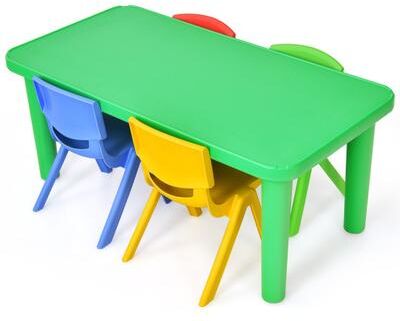
Does this table match the chairs?
Yes, the table matches the chairs. They are both made of the same type of wood and have a similar color and finish. Additionally, the design and style of the table and chairs complement each other, creating a cohesive look in the room. Overall, the table and chairs create a harmonious and coordinated dining set. **
-
What is the difference between a primary sensory cell, a secondary sensory cell, and a sensory nerve cell?
Primary sensory cells are specialized cells that directly detect stimuli from the environment, such as light, sound, or touch. Secondary sensory cells receive signals from primary sensory cells and transmit them to the central nervous system. Sensory nerve cells, also known as sensory neurons, are responsible for transmitting the signals from secondary sensory cells to the brain, where they are processed and interpreted. In summary, primary sensory cells detect stimuli, secondary sensory cells relay the signals, and sensory nerve cells transmit the signals to the brain for processing. **
-
What is sensory perception?
Sensory perception refers to the process of receiving and interpreting information from the environment through the senses. This includes the five main senses of sight, hearing, touch, taste, and smell, as well as other sensory experiences such as balance, proprioception, and temperature. The brain then processes this sensory information to create a perception of the world around us, allowing us to interact with and understand our surroundings. Sensory perception is essential for everyday functioning and plays a crucial role in how we experience and navigate the world. **
Similar search terms for VEVOR-Kids-Sensory-Table
-
Quick Pick Pro Stretchable Pop Tubes Sensory Stress Relief Toy Kids Party Favors & Dog Sensory Toy Pack Stretchable Pop Tubes Sensory Stress Relief Toy Kids Party Favors & Dog Sensory Toy PackTurn everyday fidgeting into fun, calming play with pop tubes sensory toy designed to entertain, soothe, and engage both kids and pets. This colorful 10piece set transforms simple movement into satisfying sound and motion that keeps hands busy and...29,97 $*Shipping: 0,00 $Secure redirect to the provider
-
VEVOR Outdoor Grill Cart, 31.5 x 24.0 inch Stainless Steel Tabletop Size Grilling Table, Outdoor Cooking TableWide Prep Surface: With its 31.5 x 24 inch/800 x 610mm surface, our flattop grill cart fits mainstream pizza ovens, flat-top grills, tabletop units, and portable models.135,49 $*Shipping: 0,00 $Secure redirect to the provider
-
Are receptors sensory cells?
Receptors are not sensory cells themselves, but they are specialized proteins located on the surface of sensory cells. These receptors are responsible for detecting and responding to specific stimuli, such as light, sound, taste, or smell. When a receptor is activated by a stimulus, it triggers a series of biochemical reactions within the sensory cell, ultimately leading to the generation of a sensory signal that can be transmitted to the brain for processing. Therefore, while receptors are not sensory cells, they play a crucial role in the sensory process by detecting and transducing stimuli into neural signals. **
-
Are city kids cooler than village kids?
It is not accurate to say that city kids are cooler than village kids or vice versa. Both city and village kids have their own unique experiences, lifestyles, and personalities that make them cool in their own ways. It is important to appreciate and respect the diversity and individuality of children from different backgrounds, rather than making generalizations based on their living environment. **
-
How does sensory development progress?
Sensory development progresses through a series of stages, beginning with basic sensory experiences such as touch, taste, and smell in infancy. As children grow, they develop more refined sensory abilities, such as improved vision and hearing, and begin to integrate sensory information to make sense of their environment. This process continues into adolescence and adulthood, with individuals becoming more adept at interpreting and responding to sensory stimuli. Overall, sensory development progresses from basic sensory experiences to more complex and integrated sensory abilities as individuals mature. **
-
What are sensory nerve cells?
Sensory nerve cells, also known as sensory neurons, are specialized cells that transmit information from the body's sensory organs (such as the skin, eyes, ears, nose, and tongue) to the central nervous system. These cells are responsible for detecting various stimuli, such as touch, temperature, pain, and pressure, and converting these stimuli into electrical signals that can be interpreted by the brain. Sensory nerve cells play a crucial role in allowing us to perceive and respond to our environment. **
* All prices are inclusive of VAT and, if applicable, plus shipping costs. The offer information is based on the details provided by the respective shop and is updated through automated processes. Real-time updates do not occur, so deviations can occur in individual cases. ** Note: Parts of this content were created by AI.